Country
 Ukraine



“Serving in Ukrainian churches is like stepping back into the Book of Acts: an energetic and caring family of believers, passionate about reaching their country and the world for Christ. What a great place to have raised our children.” —ABWE Missionary
Ukraine
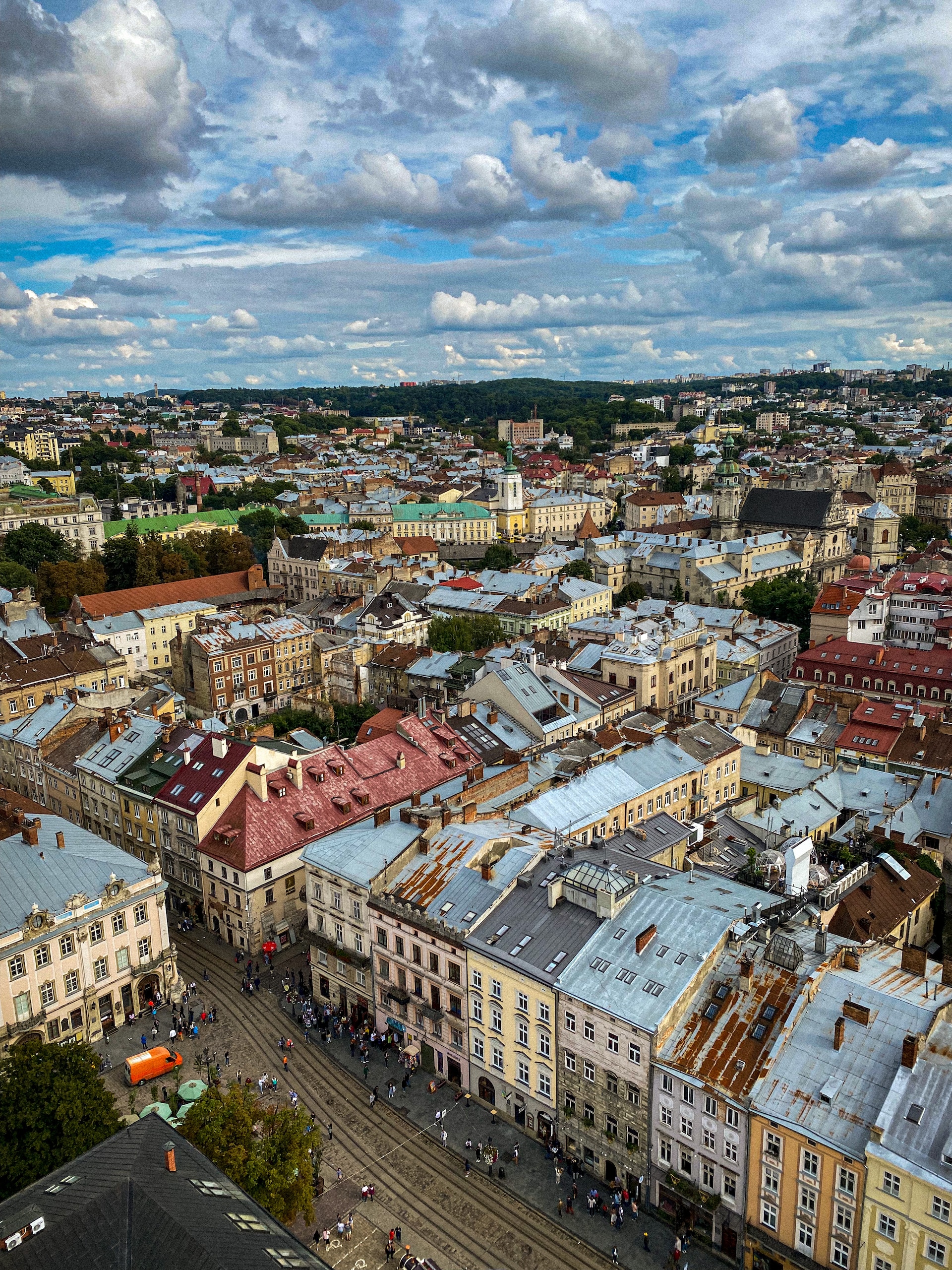
Located north of the Black Sea in Eastern Europe and home to approximately 38 million people, Ukraine is roughly the size of the state of Texas. Due to its rich soil and high export of agricultural crops, this country has long been known as the “bread basket of Europe” and is bordered by seven other countries: Belarus, Poland, Slovakia, Hungary, Romania, Moldova, and Russia. Ukrainian is the official language.
Since Ukraine’s independence from the Soviet Union in 1991, the people have become known for their resilience in the midst of challenges. In 2014, following the Revolution of Dignity, Russia illegally annexed Crimea and started the war in Eastern Ukraine. Then in 2022, Russia unleashed a full-scale invasion, decimating Ukrainian cities and claiming the lives of thousands of civilian men, women, and children. Millions were displaced within the country, and millions more left Ukraine to live as refugees in Europe and other countries throughout the world. Families were fractured, and untold trauma was caused due to the horrors of war. While many women and children fled across the border, men ages 18-60 were required to remain, and they face the constant threat of mobilization into the military. People have lost their jobs and homes and witnessed the deaths of friends and family. Constant air attacks have pummeled cities and continue to disrupt daily life for everyone still living in Ukraine.
ABWE Missionaries in Ukraine
The first ABWE missionaries arrived on the field in 1991. Currently, teammates are serving in Kyiv and Odesa, but their impact, ministry, and focus reaches far beyond the cities in which they live. Current ABWE teammates are characterized by a countrywide understanding of how to meet needs and have lived and served within the country even in the midst of ongoing war.The Ukraine team’s vision is to “partner with Ukrainians to plant and strengthen life-giving churches in Ukraine and beyond.” Working side by side with national partners, having close relationships with fellow team members, and being “in it for the long haul” are key elements of the Ukraine team. Seasoned missionaries, nationals, families, and singles all compose the team and are involved in many different ministries including, but not limited to, the following: church planting and church strengthening; evangelism and training in evangelism; discipleship; teaching at New Generation; serving at Choose Life (a Ukrainian pro-life ministry); providing mobile medical clinics in rural communities; and serving at Kyiv Theological Seminary.
The Spiritual Need in Ukraine
The Orthodox church has a strong presence in Ukraine, as well as Catholicism. Paganism (worship of the sun, moon, and stars), fortune telling, and witchcraft have also become more commonplace.
Though there is much religious freedom, Ukrainians have historically been more closed to relationships and to the gospel and are suspicious of those that they consider “too friendly.” Building trust takes time, but relationships are very important to Ukrainians. Suffering within the country has brought challenges yet has also brought increased openness.
Due to the constant threat of mobilization, having available men to serve in the church has been a challenge. Many have been drafted into military service, and others fled the country. Some men are in hiding, not taking public transportation and not traveling too far from home, hoping to fly under the radar and not get mobilized off the street. Other men in the churches are serving regardless of the mobilization threat.
Missions in Ukraine
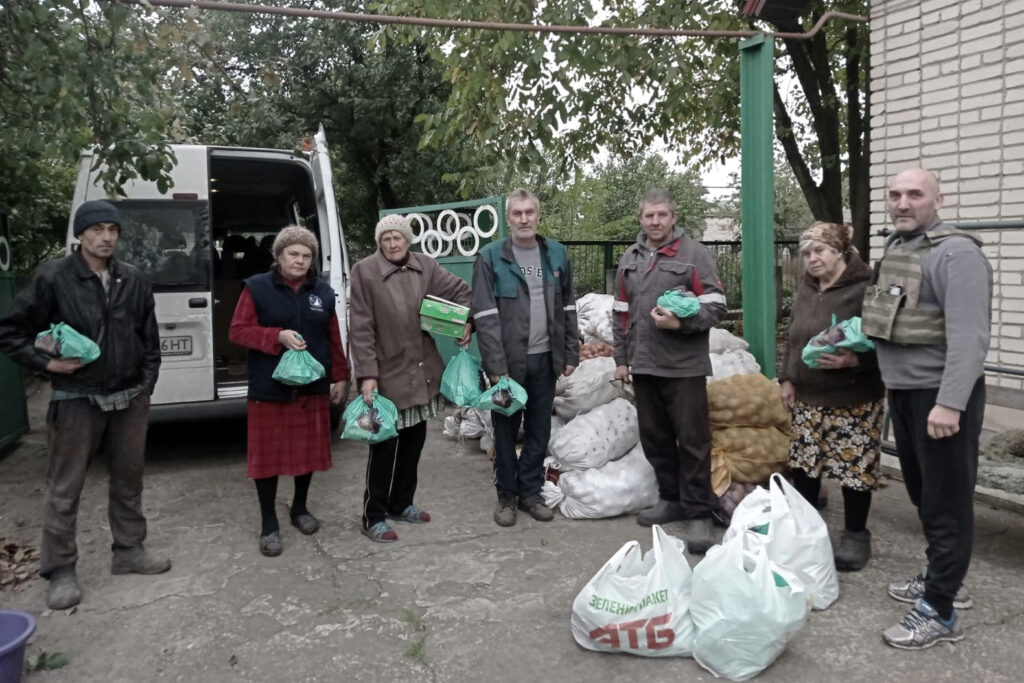
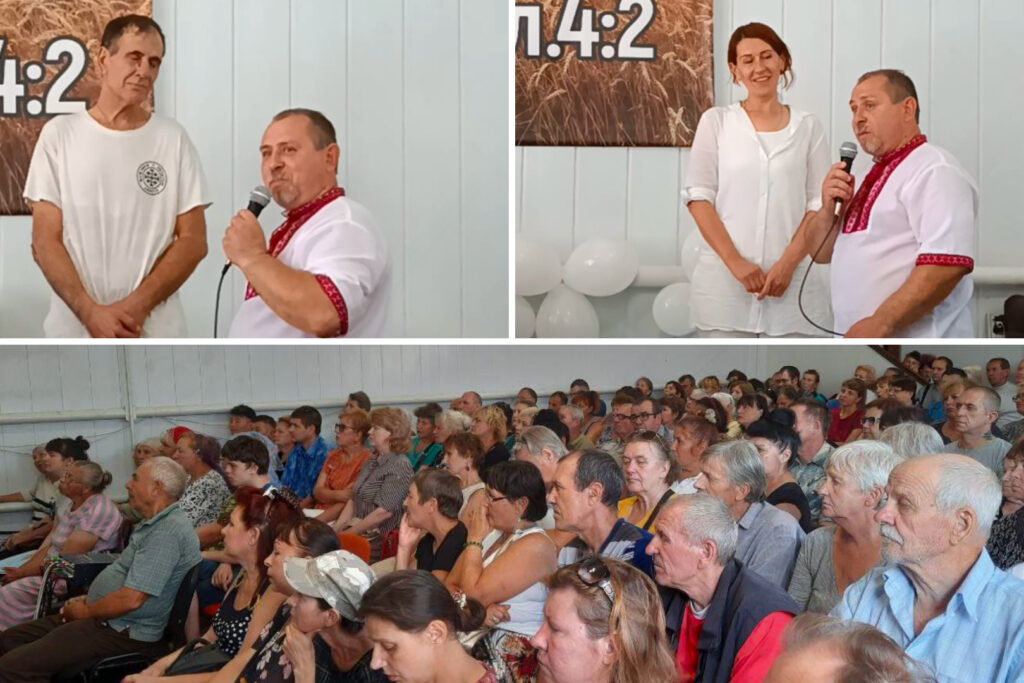
Ukrainian churches are evidencing potentially the most active evangelistic movement in Europe. They are creative in evangelism and outreach, are open to new things, are welcoming to foreigners, and have increased their networking with other churches. Despite the full-scale invasion, many Ukrainians have put their faith in Jesus. Churches have doubled or tripled in attendance, and new churches have been planted. Many of them are filled with unbelievers who initially came through the doors for humanitarian aid. Ukrainian churches are ready to serve with help. They need financial assistance (and many have been helped through the Ukraine Crisis Fund), but they also need fellow believers to serve alongside them, continuing to share the gospel and disciple new believers.
Would you consider joining our team?
The needs are great, but so are the opportunities!
We'd love to talk with you about how God is leading you.
Opportunities
Bible/Theology Teachers
UkraineWe are seeking Bible/Theology teachers who are willing to serve at a seminary in Kyiv or Odesa, equipping the next generation of Ukrainian church leaders.
Biblical Counselors
UkraineBiblical Counselors are needed to minister to the church in Ukraine and to those who have been traumatized by the war.
Children/Youth Ministry Leaders
UkraineWe are looking for Children/Youth Ministry Leaders who can minister to kids and adolescents in a meaningful way during their formative years, as well as mentoring youth leaders.