Country
 The Gambia


The Spiritual Need in the Gambia
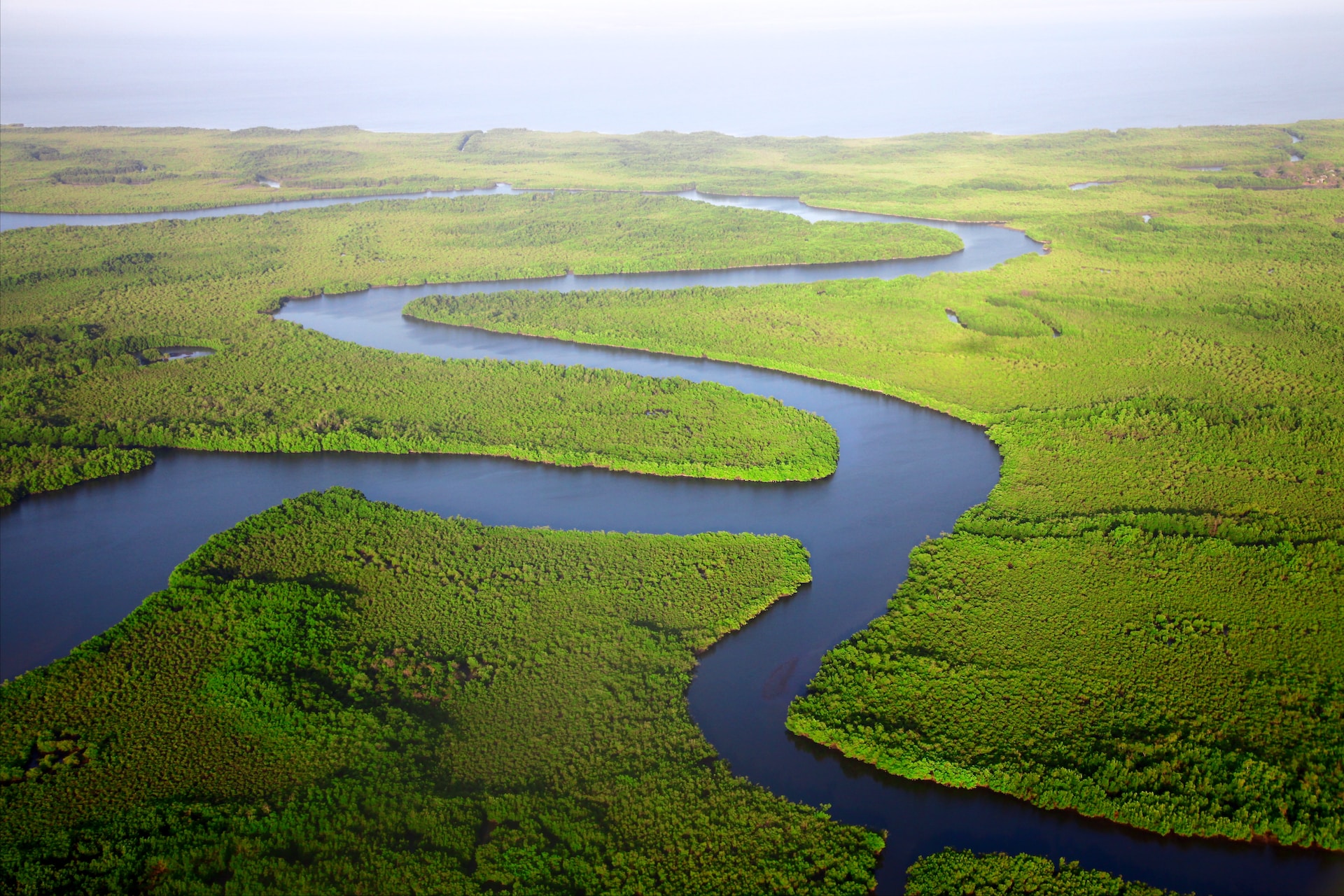
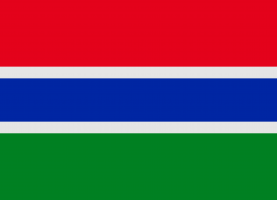
Within the 10/40 window lies The Gambia, a land taking up a little more area than the banks surrounding the Gambia River on the African continent. Over 90% of The Gambia’s nearly 3 million people are Muslim. Islam influences how they act, dress, pray, and eat. Yet, these teachings are also frequently syncretized with Traditional African Religion. There are also small numbers of Roman Catholics, Protestants, and an even smaller number of evangelical believers. Evangelical believers make up less than one percent of the population. Even though the official language of The Gambia is English it is not the first language for Gambians. and evangelism done in the local heart language will strengthen the understanding of the gospel.

Evangelical Missions To Gambia
The ministry focus in The Gambia is evangelism to Muslims, with an emphasis on the unreached Wolof and Fulani people groups. Our vision is to share the gospel, plant churches, disciple followers of Christ, and prepare Gambians to become future leaders of local churches. Through the opportunities God has put before us, Wolof and Fulani Muslims have come to faith in Jesus Christ, and many others are hearing God’s word regularly. We are ministering in the platforms of adult literacy, community development, radio ministry, personal relational evangelism, guesthouse ministry, and a medical clinic partnership. A willingness to learn the language and culture is important to share the gospel and to help develop local believers into leaders.
Is the Lord leading you to learn about a new culture and ethnic group? Will you pray about the need in The Gambia? Pray not only for their salvation but that our Lord would send more laborers into this harvest field who can help respond to the growing hunger for truth. The Lord has opened many doors to serve as a missionary in the Gambia. Will you join us in introducing more people to the love of Jesus?
We'd love to talk with you about how God is leading you.
Opportunities
Community Outreach Coordinator
The GambiaIf you have a heart for building bridges in a community that needs the light of Jesus, we want you on our Gambian field team.
Disciple Makers
The GambiaDo you love sharing the gospel and walking beside new believers in a one-on-one or one-on-small group setting to help them grow in their faith? Then we want you on our Gambian field team.
Evangelism Teammate
The GambiaDo you love developing new relationships and sharing the gospel? Come join our Gambian field team in the Great Commission and share the good news.
Facility Maintenance Personnel
The GambiaIf you have a heart for sharing the gospel and are handy in general maintenance then come share your skills with us in The Gambia.
Language Resource Supervisor
The GambiaHas the Lord gifted you with training or skills in education, language or translation? Do you have a burden for people to hear and study the gospel in their heart language? Then we want you on our Gambian field team.
Projects
National Partnership – The Gambia Clinic
Located in a rural area on the north bank of The Gambia River is the Ndungu Kebbeh Health Center. The Health Center has served the people of Senegal and The Gambia for over 40 years, providing the gospel of Jesus Christ, prayer in the name of Jesus, and high-quality, affordable healthcare. …
The Gambia Building Expansion Project
In the rural village of Ndungu Kebbeh, sits the ABWE The Gambia ministry center which has had a gospel presence in the community since 1979. The Lord has blessed us with several acres of property, community buildings, and residential facilities for career missionaries, and students of West African language and culture.…
The Gambia Community Health Evangelism Literacy Project
Our Literacy team is researching a new ministry method for getting the gospel into small local communities. It is called CHE. Each CHE (Community Health Evangelism ) program is community-driven, locally sustainable, contextualized for Gambian culture, and integrated with physical and spiritual teachings.…
The Gambia Guesthouse
The Gambia Guesthouse is a not-for-profit ministry and retreat center for ABWE missionaries, visitors and like-minded Christian servants in The Gambia. This beautiful property near the capital city of Banjul serves as the urban ministry center and also a place to rest, retreat, refresh, and refill after a long plane trip or a long ferry ride to do some overdue grocery shopping. …
The Gambia Literacy Center
The Gambia Literacy Ministry offers uneducated and under-educated rural Gambians the opportunity to learn to read, write, calculate, and increase their earning potential through local language literacy classes. Each year, over 150 participants are enrolled in these classes. The ministry is also involved in translating a variety of evangelistic, discipleship, and general reading materials into a local language. The…