Country
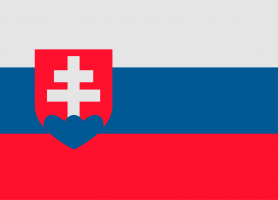 Slovakia



“During our survey trip, we sat down with three Slovak national pastors and this statement from one of them was the common thread woven through each conversation: ‘There is much work to be done here and not enough workers.’ After three years on the field, we wholeheartedly agree.” — ABWE Missionary
The Spiritual Need in Slovakia
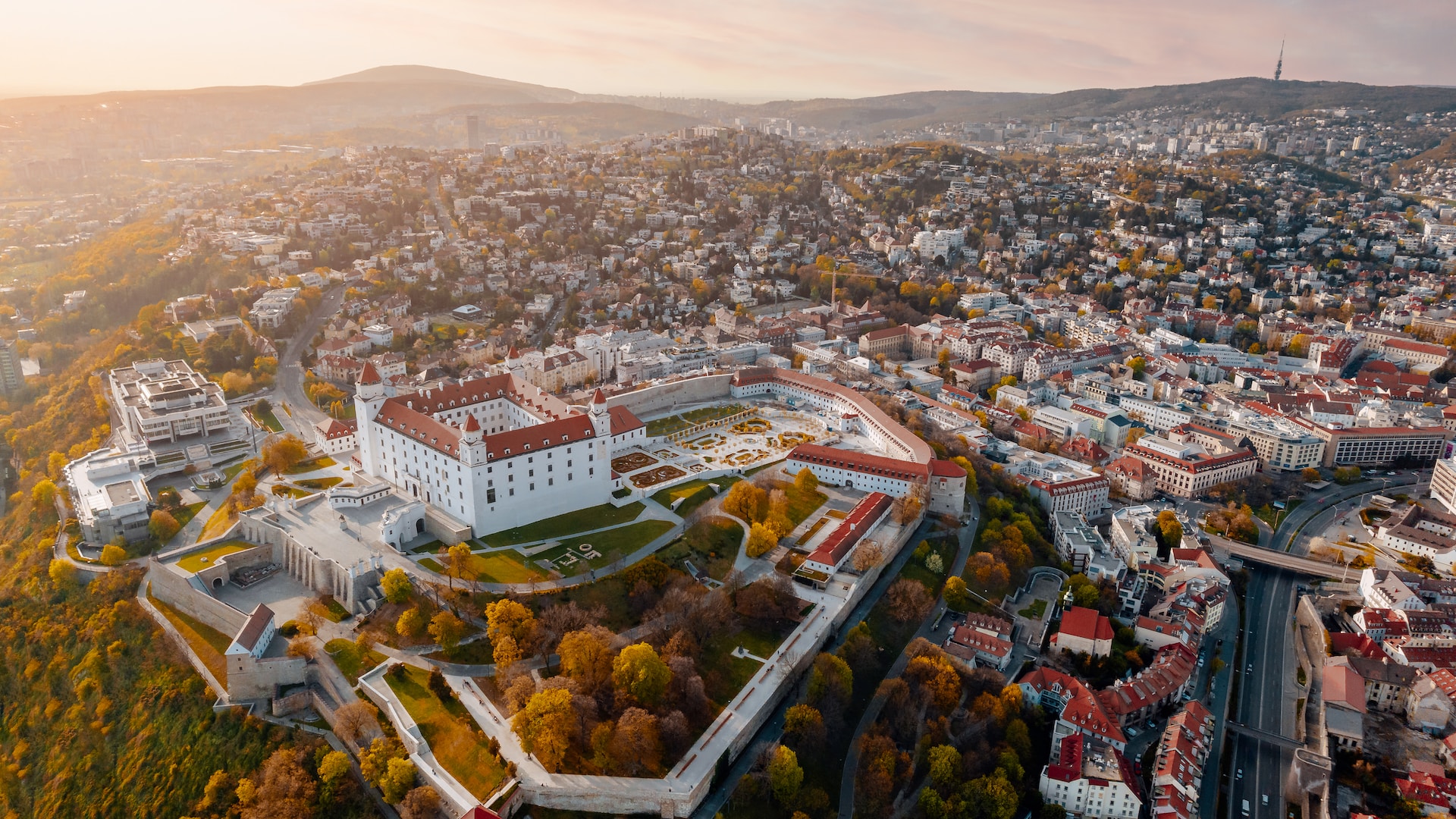
Slovakia is renowned for its medieval history, boasting more castles and chateaux per capita than any other country in the world. In a population of almost six million people, 93% identify as Christian due to historical Catholic influence, and only one percent as evangelical believers. For more than 40 years, Slovakia was part of the communist nation Czechoslovakia, a country in the Soviet bloc where religious freedom was repressed and Christians were persecuted. Today, the Slovaks enjoy more religious freedom, but resonating effects from communism still exist in politics, society in general, and even the church.
For many people in Slovakia, religion is a mere formality, and church is only attended for major events and holidays. A growing skepticism of and dissatisfaction toward Christianity prevails among Slovaks. Though they are aware of Jesus, they need believers to show them the true meaning and freedom found in a relationship with Christ.
Christian Missions To Slovakia
The ABWE team has been a ministry partner with the Slovak church since 1999. Our focus centers on providing support for planting churches, providing translations of books and materials into Slovak, and serving as personal examples of the calling of Christ in action.
Our goal is to continue to evangelize and disciple new Slovakian believers while mentoring church planters strategically located across the nation. By laying this groundwork with our Christian missions to Slovakia, we are enabling the Slovaks to spread the gospel in their own country and sustain a growing church-planting movement without missionary assistance.
Experienced and well-trained church planters, pastors, youth and children’s workers, musicians, and ESL ministry workers are needed. With less than 60 evangelical churches and even fewer trained leaders, our team is grateful for the immense opportunity to serve in ministry in Slovakia.
We'd love to talk with you about how God is leading you.
Opportunities
Camp Ministry Leaders
SlovakiaBlend your God-given talents with missionary service in Slovakia as a camp ministry leader
Church Planters
SlovakiaOur team needs more self-disciplined, committed Christians who want to work as part of a close-knit team in church-planting initiatives.
English Teachers
SlovakiaJoin us in Slovakia, where there is a tremendous need for English education and relationship building.
Projects
Live Global | Logos Radio (Slovakia)
The ministry of Radio Logos has purposed to share the Gospel of Jesus Christ by means of print, radio, audio recordings, video recordings, and written correspondence since 1993. Radio Logos began its ministry by recording and broadcasting Bible teaching programs through an FM radio network that covered 90% of Slovakian territory.…
Slovakia Ministry
The ABWE Slovakia team is dedicated to planting churches, as well as developing outreaches and ministries to Slovaks. These funds will aid the ministries our team is involved in and will be used at the team’s discretion. …