Country
 Poland


The Spiritual Need in Poland
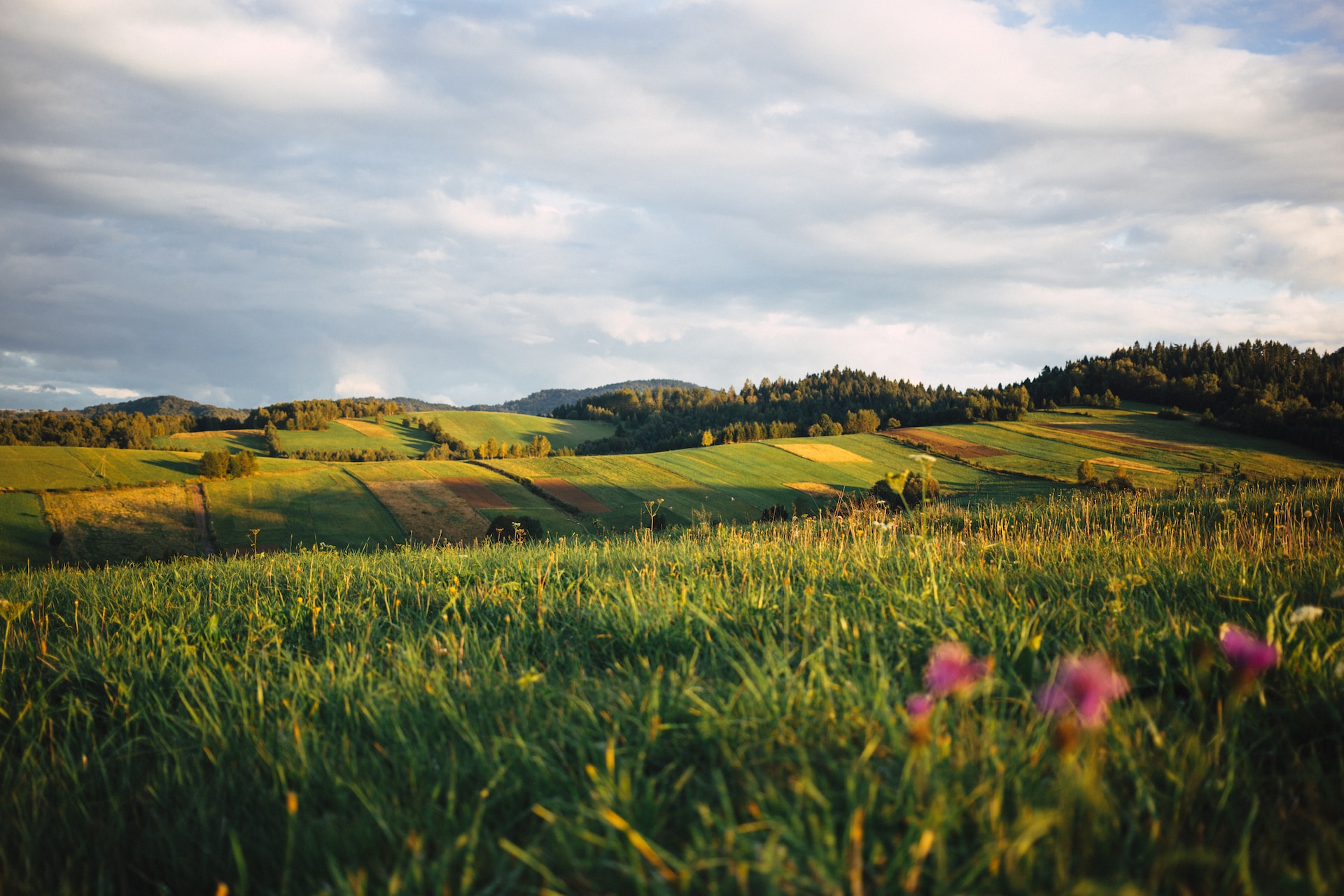
The gateway nation from Western to Eastern Europe, Poland contains diverse scenery and some of the most well-known historical sites of the 20th century, including the legendary German concentration camp, Auschwitz Birkenau. Poland is considered the European museum of Catholicism, so it is no surprise that nearly 85% of the Polish population (37 million) identify as Roman Catholic. But the religious landscape is shifting, as less Poles attend Mass and more desire a greater separation between faith and state. Less than half a percent of the population are evangelical believers. Many Poles believe that although Christ opened the door for us to get to heaven, salvation still must be earned through good works.
Evangelical Missions To Poland
When ABWE missionaries first began work Poland in 2006, church planting was a ministry focus. We desire to continue to see God glorified through evangelical missions to Poland, which expand into a worldwide church-planting movement.
Our pioneer teammates were involved with two church plants in the north of Poland. Building on their foundation, there are opportunities to work with camps and retreats for young people, some of whom are orphans. English clubs are also a great way to connect with people who would be unlikely to attend a non-Catholic church.
There is great need for a team of mature believers who will work alongside our local church plants, providing love and living life alongside them as they minister through English clubs, sports outreach, small groups, and mentoring orphans.
We'd love to talk with you about how God is leading you.
Opportunities
English Tutors
PolandEnglish tutor needed in Poland to work with existing church plants to expand their efforts.
Evangelism Teammates
PolandEvangelism teammate needed in Poland with a deep knowledge of Scripture, a genuine love for people and the desire to succeed.
Projects
Poland Team Special Projects
Poland is experiencing both an incredible time of human trial and potential for the Gospel. Official sources estimate that nearly 5 million Ukrainians have come into Poland as a result of the war in Ukraine. Whether these refugees are moving through or permanently staying in Poland, they need assistance at many levels to streamline their integration into their new environments and to be reached spiritually. …