Country
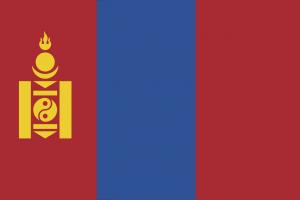 Mongolia


The Spiritual Need in Mongolia
At the height of the Mongol Empire in the 13th Century, the emperor requested 100 Christians to come and teach his people. None came. As a result, the country turned to Buddhism, which is still its dominant religion.
To this day, Mongolia is largely overlooked by Christian missions and 86 percent of the country remains unreached with the gospel. There are many reasons for this, including Mongolia’s harsh climate — fluctuating between brutally hot summers and bitterly cold winters — and the fierce independence of its people who have endured more than 70 years of communist oppression. There is no doubt that bringing the gospel to Mongolia requires steadfastness. Missionaries must be prepared to face challenging living situations, to learn a difficult language, and to love a fiercely independent people who have never heard of the One who died to save them. But if you are resilient and have a strong calling to missions, this country is full of possibilities for successful ministry.
Evangelical Missions To Mongolia
Mongolia is a mission field full of promise. From the capital city of Ulaanbaatar, the gospel is gaining momentum and is starting to reach across the rural countryside. The local church welcomes missionaries who want to create connections for evangelism while meeting practical needs. Mongolian officials have expressed their desire for “foreign experts” to help with pressing social problems. The possibilities are endless — from providing training for information technology, to theological consulting, to giving vulnerable young people a safe environment to live.
Potential Ministries in Mongolia
- Mentor local pastors in leadership and theology
- Train technology professionals
- Teach English
- Coach sports teams
- Develop trade skills
- Lead marriage seminars
- Children or youth center ministry
- Meet urgent needs for medical and dental care
We are praying for innovative and ambitious self-starters to found and lead ABWE’s new wave of Mongolia missionaries. Are you who we’ve been praying for?
We'd love to talk with you about how God is leading you.
Opportunities
English Teachers
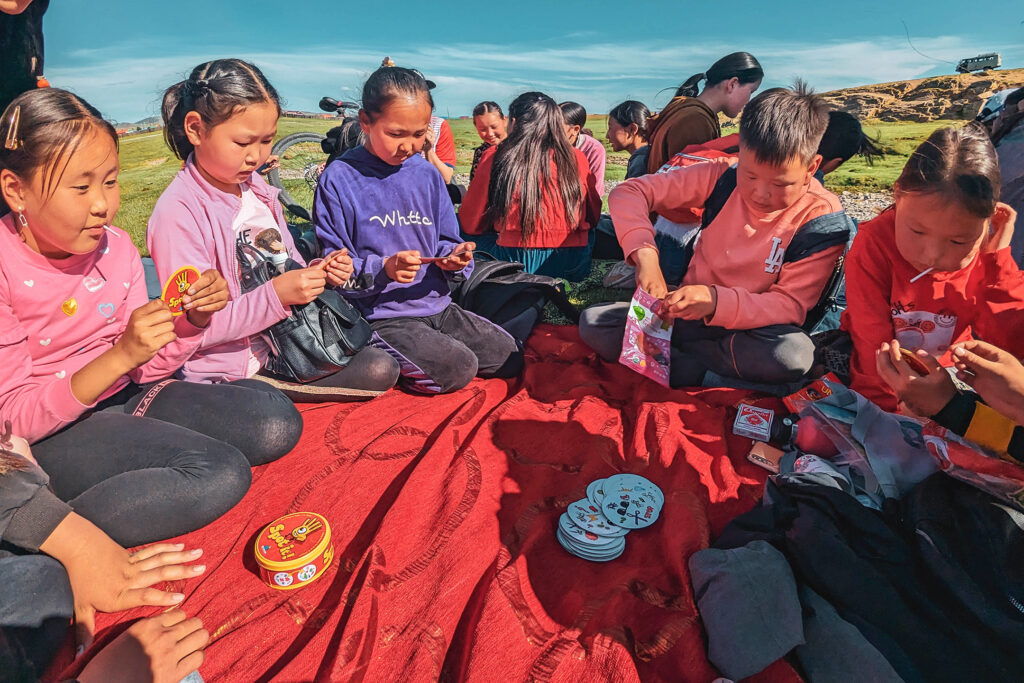
MongoliaThe Position Short-term teachers travel with the established long-term team into the Mongolian countryside to conduct summer English classes in various locations. You would work alongside Mongolian teachers to teach interactive English classes to children. The students who attend these trainings usually go through the program over 3 summers, so if you wanted to return
Teachers in Mongolia
MongoliaUse your skills to teach at a Christian university in need of missions-minded teachers to come and serve in Mongolia.
Veterinarian
MongoliaWe are looking for a veterinarian to serve in an NGO that uses veterinarian treatment and education to reach people in the city, to the most remote places in Mongolia.
Veterinarian Students/Veterinarian Technician
MongoliaUse your veterinarian skills to reach people in both the cities and the remote places of Mongolia!
Projects
Light for the Soums
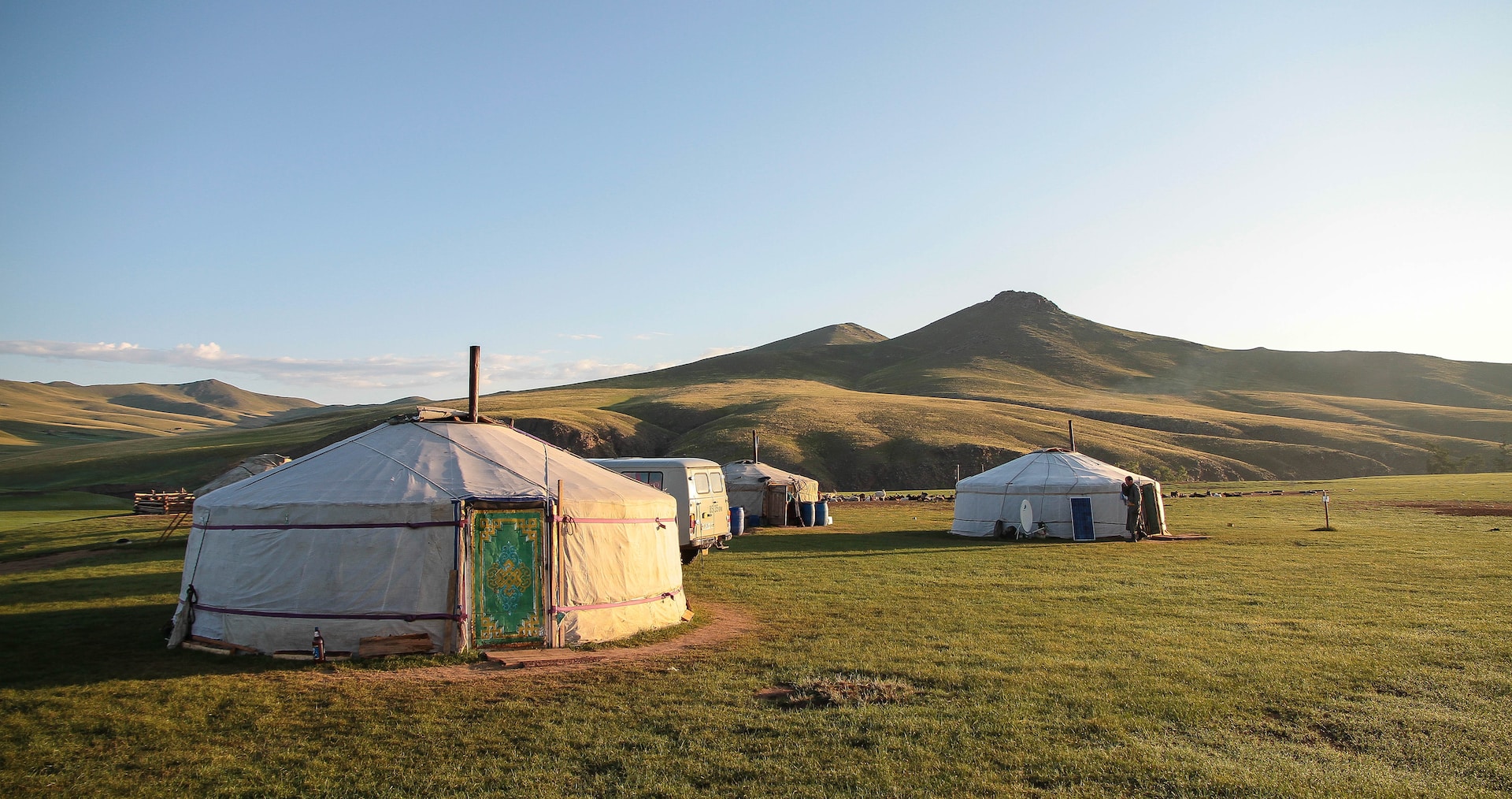
Mongolia is split between two sides; one side is the city where you can find modern conveniences and job opportunities. The other side is the rural area of Mongolia where people live in small towns called Soum centers. A Soum is the equivalent of a county.…