Country
 Hungary



Hungary
Considering Christian missions in Hungary? We offer short-term and long-term missions opportunities in Hungary for those with a heart for cross-cultural ministry. These unique missions trips will utilize your gifts and talents to proclaim Christ in Hungary. Our internship programs offer hands-on experience in cross-cultural ministry, giving you the chance to fuel your passion for missions and make an eternal difference in lives. Join us today for a missions trip to Hungary and become part of something bigger.
ABWE Missionaries in Hungary
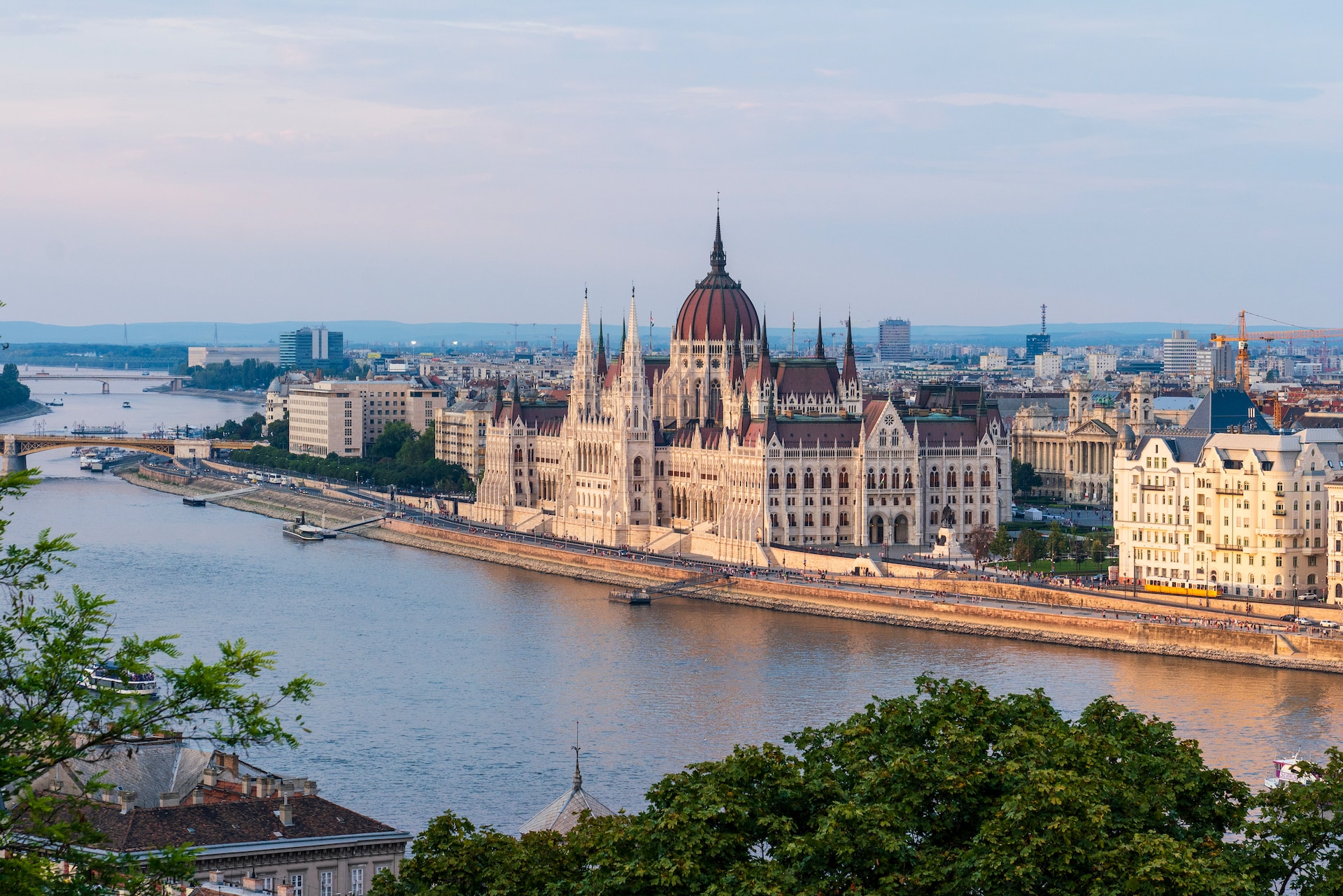
Hungary nestles between Central Europe amid Slovakia, Ukraine, Romania, Serbia, Croatia, Slovenia, and Austria. Hungary’s long history with Christianity began with its first king who established Roman Catholicism as the official religion. While the state currently has no official religion, the Hungarian constitution recognizes the importance of Christianity in the founding of the nation and freedom of religion as a right.Since 1994, ABWE has partnered with the International Christian School of Budapest. Currently, over two-hundred and fifty students attend, where they gain a biblically-based, college-preparatory education to help them become followers of Christ. Native English speakers make up ninety percent of the teachers that mentor, teach, and encourage students towards leadership roles in their communities. Our missionaries actively participate in the local community, Hungarian churches, and women’s outreach. They teach sound theology, bible classes, Sunday school, distribute Christian resources, and personally evangelize to the Hungarian people. We need more missionaries qualified to work in k-12 education, church planting, and to run English camps as Second Language (ESL) and English Language Learner (ELL) teachers that help us build bridges into Hungary’s communities. Do you feel God’s pull to help the Hungarian people find Christ?
Getting Started and What To Expect
ABWE provides various options for missionaries exploring their callings. If you are interested in a missions trip to Hungary, you can choose one of the following options:
- Short-term: Short-term missions trips last anywhere from a week to a year. ABWE sends people on these trips to help them learn more about full-time ministry, meet specific needs on the field, and help the local communities see the love of God in action.
- Mid-term: ABWE’s mid-term opportunities call missionaries to the field for one to four years. Since mission workers stay longer, these trips often involve long-term projects with missionary teams to assist the local Hungarian churches, improve their communities, and provide services that allow them to minister with everyday people.
- Long-term: Our longest options call missionaries to become members of a community for four or more years. Missionaries serving long-term often help specific communities or the community at large through various organizations or programs. The communities they serve benefit immensely from the relationships of people on fire for Jesus.
What to Expect as a Missionary in Hungary
Hungary’s communist era hindered Christianity during the mid-20th century. The end of communism also ended the religious oppression perpetuated by the atheist state. Over two hundred religious groups have registered, but the issues caused by the division of church and state make people question the intentions of religious institutions. Today, the Hungarian government allows freedom of religion, but twenty-seven percent of the population claim no religious affiliation, and talking about religion publicly is discouraged.A third of the country identifies as Roman Catholic, but many citizens view religion as tradition instead of as a personal relationship with Jesus Christ. Other religions in the area include Judaism, Islam, Buddhism, and Paganism based on Hungarian mythology and shamanism. ABWE facilitates Christian missions in Hungary to share positive and uplifting interactions with non-believers to help them see Jesus and find true hope.

Christianity in Hungary
Christianity made its way to Hungary through foreign believers practicing in private. When King St. Steven came to power in AD 997, he established Roman Catholicism as the main religion. Existing pagan, Muslim, and Jewish practitioners were forcefully converted and resented it. The aristocratic class also got shoved to the side, and laws passed making Roman Catholic representatives extremely powerful. This resentment led to huge Protestant movements during the Christian Reformation of Europe.The Battle of Mohács created more division as the Habsburg and Ottoman empires fought for centuries. In the past, aristocrats and royalty limited the audience who could learn about Christ. Commoners attended Latin services they couldn’t understand. As bible translations in Hungarian became available, the strong family bonds already present in Hungarian society made them cling to spiritual mentors.Strong Calvinist and Lutheran theological leaders rose to power and spread messages of grace and holy living. These spiritual leaders pushed forward apologetic arguments and regularly entered public debates to argue their case against Catholic priests and dissenters. They also wrote catechisms to help reinforce good morals and thinking. Their focus on confessions helped put the Hungarian people’s hearts in the right place. Despite all this religious background, Hungary’s modern-day society devalues religion because a solid church foundation never got established. Hungarians ascribing to denominations often found themselves as part of larger groups that switched affiliations for political reasons, so many people did not have individual convictions or beliefs. Without the presence of Presbyterian church governments formed out of the Hungarian Reformed Church to unite people or ordain leaders, and financial dependency on landlords and political entities the church was left heavily dependent on state funding.Without firm ground to base their church on, the Hungarian people were overtaken by philosophies and theological preachings, and dissenters within churches pushed forward conflicting messages that confused people further. Fear of causing political and religious schisms kept church officials from changing the messages or philosophies within their denominations, leading to more people leaving. Missions within the Hungarian Reformed Church got shut down regularly to avoid political turmoil, and the country actually avoided sending out missionaries until 1933. Matthew 7:24-27 emphasizes the issue displayed throughout Hungarian history—a house built on sinking sand cannot stand. Without a solid foundation, the Hungarian people struggle to find representation and reason to follow religion since many conflicts arose directly from that struggle. Consider joining ABWE missions in Hungary to help Hungarians form personal relationships with God.
The Spiritual Need in Hungary
Out of nearly ten million people who live in Hungary, twenty-seven percent of the population claim no religious affiliations. While Christianity accounts for fifty-four percent of Hungarian citizens, evangelical followers only constitute three percent of that demographic. The remaining believers follow Roman Catholic and mainline, non-evangelical Protestant denominations. Indifference towards Hungarian churches runs rampant. Their government controls and limits a lot of information without letting the people know why, and many minority groups feel misrepresented. Hungarians of Romanian descent often face discrimination and live in abject poverty. ABWE seeks to plant churches and evangelize to the lost by sending out missionaries and partnering with Hungarian believers.

Church Planting In Hungary
The ABWE team works closely with local partners to strengthen existing churches, bolster national leaders through theological education and leadership training, and to reach out to unreached communities with evangelism and discipleship efforts. Missionary work in Hungary churches includes leading Bible studies, developing children’s ministries, teaching English as a Second Language (ESL), and getting involved in the local community. Our team needs people passionate about meeting new people and fostering deep relationships. We base our ABWE ministry headquarters for Central and Eastern Europe out of Budapest, where we strategically focus on training Christian leaders, fostering national church-planting efforts, and growing the reach of the gospel in the region. Might God be leading you to join us in sharing the gospel in Hungary?
The Way of Life in Hungary
Hungary missionaries find many opportunities to evangelize for God’s kingdom. Beautiful forests, meadows, rough pasture, and woodlands make up about a sixth of the total landmass. Half gets cultivated regularly, and the remainder gets populated by people spreading out. Most Hungarians value collegiate education immensely. They have the highest per capita of Nobel laureates of any country. Modern values commonly push away from tradition, but many people still adhere to traditional values. Collegiate discussions create room for excellent discussions about theology and salvation.Many Hungarians follow strict schedules where they go to a job or school, spend a few hours at an after work/school activity, and enjoy dinner and family time to wrap up their day. They share housework and love to entertain guests. Hungarians also tend to be more direct during conversation than many US citizens. They consider eye contact polite, and shifting your eyes during conversation can come across as disingenuous behavior.The Hungarian people love to celebrate and laugh. Creating relationships opens lots of opportunities to spread God’s message. Do you feel God’s calling to help facilitate missionary work in Hungary?
Prayer Points
- Pray that God will equip each Hungary missionary with the skills and opportunities to overcome the coldness and indifference many Hungairians feel towards religion.
- Pray for political peace and stability in Hungary as war and internal issues strike fear into the hearts of citizens.
- Pray that the church will continue to grow, and believers will spread Christ’s joy and love to hurting hearts.
We'd love to talk with you about how God is leading you.
Opportunities
Bible Study Leaders
HungaryBible study leader needed in Hungary.
English Camp Internship
HungaryA great opportunity to minister to the people of Hungary at English Camps.
ESL Teachers
HungaryEnglish teachers can use ESL as a platform for ministering to the people in Hungary.