Country
 Czech Republic


“The result of our labor here is joy…the joy of seeing a child place their faith in Christ, the joy of seeing a friend finally begin to ask questions about faith after much time and personal investment, the joy of being a beacon of light in a dark land, the joy of sharing the gospel with those who have never before heard.” —ABWE Missionary
The Spiritual Need in the Czech Republic
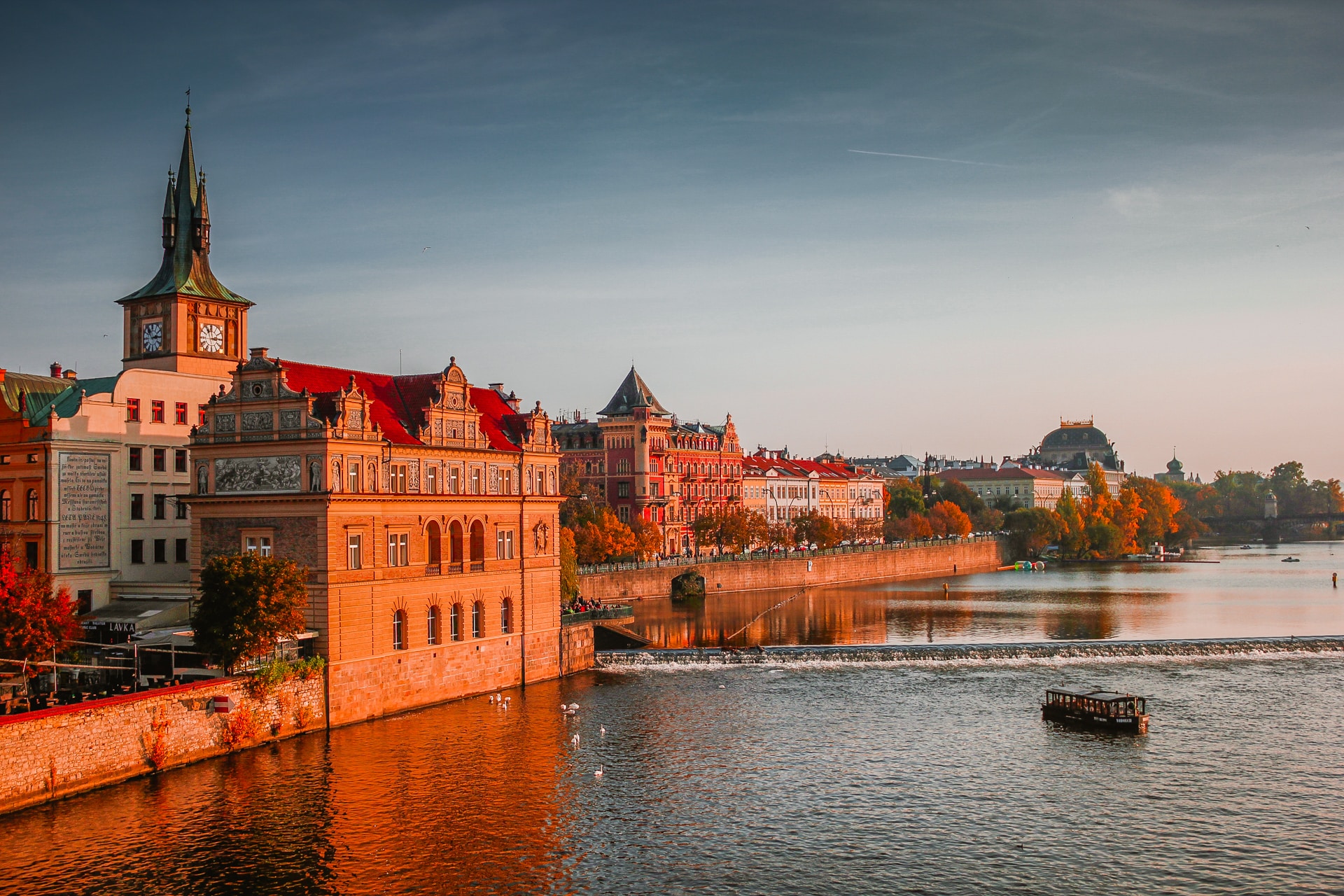
The Czech Republic is centrally located in the geography and history of medieval Europe and is home to some of the world’s best-preserved medieval castles and most beautiful cities, including its capital, Prague. Today, much-changed by time and the Communist era, the Czech Republic is modern and secularized—ranking as the third most non-religious nation in the world—with at least 70% of its population of more than 10 million people declaring no religious affinity. Historical Roman Catholic influence is waning quickly, evangelical Christians represent less than one percent of the population, and the majority of villages throughout the country have no evangelical witness. Remarkably, in the 2011 national census, more people self-identified as Star Wars “Jedi Knights” than evangelical Christians. Despite these obstacles, our missionaries have experienced some openness among Czechs to discuss and ponder issues of faith and spirituality.
Church Planting Missions In Czech Republic
ABWE’s team of missionaries are embracing a grassroots approach to church planting missions in Czech Republic, with the goal of enabling Czechs to share the gospel within their country and promote healthy church growth, in the hopes that they too might be involved in worldwide evangelism.
Among a very reserved and non-religious people with a minimal gospel witness, it is essential to use multiple and varied platforms for evangelism and ministry. This includes summer camps, English classes and ESL ministries, creative outreach events, International Christian School ministry, and partnership with local churches to both strengthen and empower the few fellowshipping believers, in addition to maintaining an attractive personal witness.
Prague, the capital city, has long been the crossroads of Eastern and Western Europe, and a hub for human trafficking networks. An exciting new ministry called “The Well” will focus on reaching, liberating, and rehabilitating captives of human trafficking.
We have a window of opportunity to amplify the voice of God, while drawing Czechs to him. We need enthusiastic, resilient, and self-motivated church planters, pastors, educators, English teachers, youth and children’s workers, musicians, and dedicated evangelists to help us with this mission. We have a small team and great flexibility. If God has laid it on your heart to reach multiple generations with the hope of Jesus Christ, the doors are open wide for ministry in the Czech Republic!
We'd love to talk with you about how God is leading you.
Opportunities
Anti-Trafficking
Czech RepublicWork to bring awareness of human trafficking in Czech Republic.
Church Planter
Czech RepublicPartner with national pastors to establish new churches and strengthen already existing church plants.
Community Outreach Coordinators
Czech RepublicServe as a community outreach coordinator to help existing church members and ABWE teammates create events designed to encourage believers and nonbelievers in Czech Republic.
ESL Teachers
Czech RepublicWe are seeking high-energy ESL teachers who can create a warm and enthusiastic atmosphere in a high-quality learning environment in Czech Republic.
Evangelism Teammates
Czech RepublicServe as an evangelism teammate to spread the good news of Christ with passion and energy in Czech Republic.
Projects
Czech Republic Projects
The ABWE Czech Republic team is dedicated to planting churches, as well as developing outreaches and ministries to Czechs. These funds will aid the ministries our team is involved in and will be used at the team’s discretion. …
The Well Restoration Ministry Czech Republic
The Well is a Christian residential restoration program which provides a safe place for sexually exploited individuals to receive food, housing, medical attention, addiction services, debt assistance, counseling, life skills, education/job training and other assistance as needed for their healing and ability to start a new life.…