Country
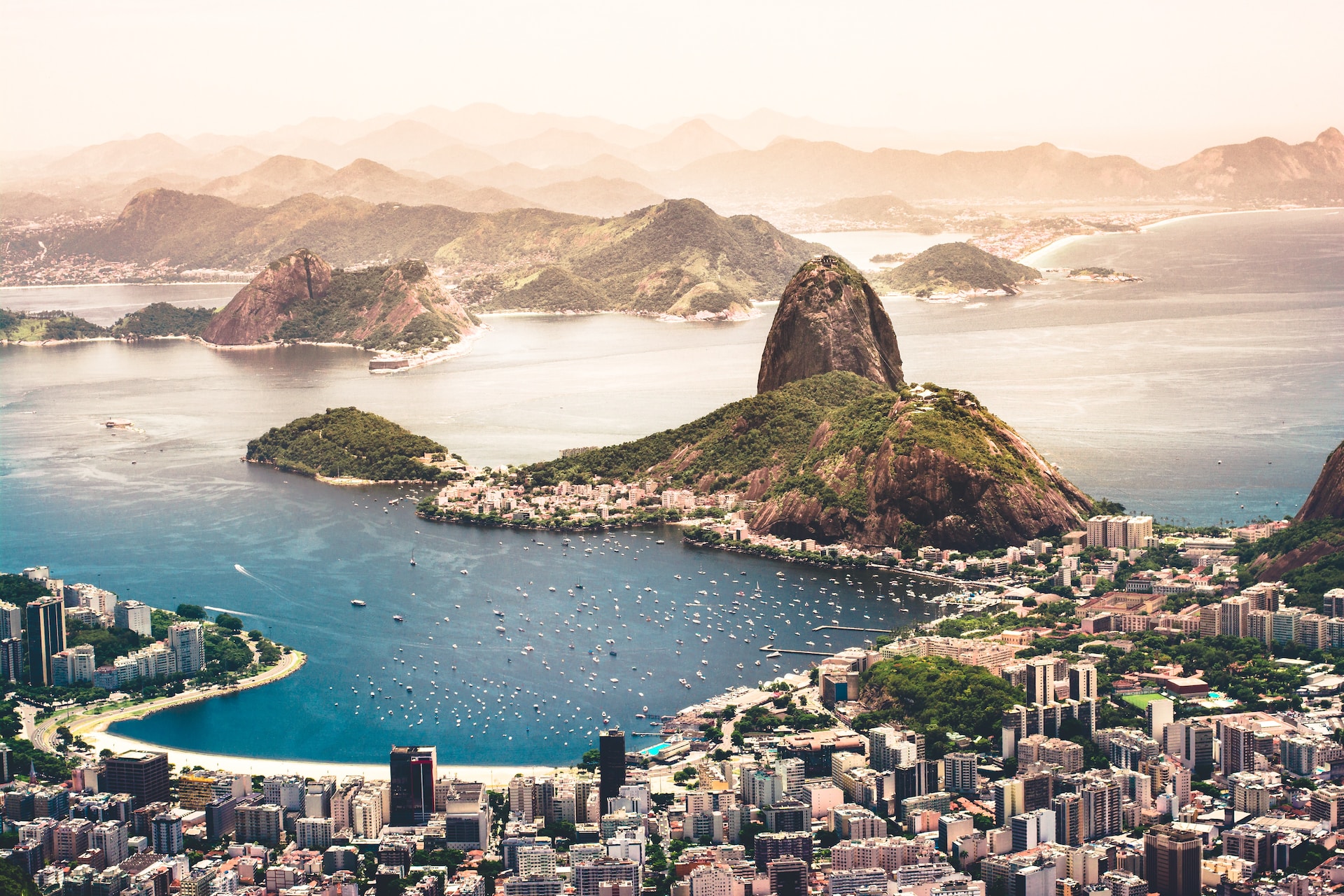
 Brazil

“ABWE’s vision has always been to inspire believers around the world to pick up the torch of missions.” — Cal Clark, ABWE Regional Director in Brazil
The Spiritual Need in Brazil
Brazil boasts a massive land area that borders all but two countries in South America, making it the fifth-largest country in the world, and it is also the sixth most-populated with 216 million people. The diversity in landscape and climate contributes to the distinction of people groups, along with a rich history of multi-ethnic heritage. Brazilians celebrate unity in diversity at the core of their culture, including through food, music, and the arts.
While Brazil has the largest Roman Catholic population in the world, and a proportionally large number of evangelical believers (25%), it is home to many other religions, including ethnic religions and spiritism. In the Amazon region, there are many indigenous unreached people groups. Additionally, the nation is a second home for millions of expatriates from dozens of countries, offering religious freedom not experienced by some in their home countries.
The Brazilian church is beginning to send their own missionaries all over the world, but there is still a great need for evangelism, church planting, theological education, missions partnerships, and leadership training so that Brazil can continue to grow as a force for world missions.

Evangelical Missions To Brazil
For more than 70 years, ABWE missionaries in Brazil have been working with people from virtually every segment of society. From tribal outreach to isolated people groups accessible only by seaplane, to working in wealthy communities and the shanty towns just outside of them, and everything in between—we’ve seen the gospel do amazing things in Brazil, and there is so much more to be done.
There are many ways to serve the people of Brazil—such as church planting, theological education, evangelism and discipleship. Many Brazilian church leaders need training to help their congregations become passionate about sharing the gospel not only locally but around the world. Brazilians are internationally accepted by many countries, including some where North Americans are not. Seeds planted in Brazil may see a harvest around the globe, as the Brazilian missions movement grows.
Could God be calling you to serve in Brazil?
We'd love to talk with you about how God is leading you.
Opportunities
Camp Ministry Leader
BrazilOur team is looking for families, professionals, college grads, and/or interns with a passion for Christian camp ministry.
Children’s Worker
BrazilUse your passion and skills with children and adolescents to help fulfill the Great Commission.
Church Planting and Strengthening
BrazilWe are looking for new teammates to get involved in church planting.
ESL Teacher
BrazilOur team is looking for families and/or interns with a passion for ESL teaching.
Projects
Amazonas Hospital
The Amazonas Hospital is promoting the gospel through healthcare by providing quality outpatient services to people in need. Services the hospital provides include: Prenatal care, educational resources for expecting mothers, labs, ultrasounds, and HIV testing Ophthalmological (eye) care, screening for eye diseases, referrals to specialists/opticians, and glasses distribution A surgical clinic with outpatient procedures and consultations A library of resources, including personal development, multimedia resources, and reference materials for on-site use Amazonas Hospital aims to be "recognized as a Christian place, a reference in humanized outpatient treatment, where people are well-received and treated with respect and competence."…
Belo Children’s Home
Belo Children's Home was founded by a local member of an ABWE church plant in Brazil with a heart for reaching out to poor and orphaned children. Today the ministry also aids in adopting out orphans, and caring for at-risk girls. Donations to Belo Children's Home are used to buy clothes for the children, mattresses as needed, food for the children, building renovations, etc.…
Boa Terra General Fund
Great things are in progress on the mission field through this ministry! Our missionaries will be sharing more project details shortly and look forward to how you might get involved. If you need to get in touch immediately, let us know at info@abwe.org…
Camp Paradise – Recife
Camp Paradise, located in Northeast Brazil, is a camp for children and teens. Local churches and groups utilize it too. Lake Ann Camp in Michigan, partners with Camp Paradise.…
Church & Training Center in Eusebio, Brazil
The Igreja Bíblica Batista do Eusébio (IBBE) is a small congregation in Eusébio, Brazil situated in the state of Ceará. Three years ago, a small warehouse was rented in which this church plant began to meet. Over the past 2 years the church has experienced rapid growth and has quickly outgrown its rented space.…